Get Free Consultation!
We are ready to answer right now! Sign up for a free consultation.
I consent to the processing of personal data and agree with the user agreement and privacy policy

We are ready to answer right now! Sign up for a free consultation.
I consent to the processing of personal data and agree with the user agreement and privacy policy
Employment verification is a process of verifying an individual’s employment history with a particular employer or employer. It involves confirming the duration of employment, job title, salary, and sometimes, the reason for leaving the job. The verification is typically conducted by contacting the employer(s) directly or through a third-party service provider. Employment verification is often requested by employers, lenders, landlords, or other parties who need to confirm an individual’s employment status and history.

Education verification is the process of verifying the educational credentials of an individual, typically as a part of a background check. It involves confirming the authenticity and accuracy of an individual’s educational qualifications, such as degrees, diplomas, certificates, or transcripts, by contacting the educational institution(s) they attended or through a third-party verification service. The verification process may include confirming the dates of attendance, the type of degree or qualification earned, the field of study, and the grades or marks obtained. Education verification is often conducted by employers, educational institutions, government agencies, or other entities that require proof of an individual’s educational credentials.

Criminal court records check is a process of checking an individual’s criminal history and records in the court system. It involves searching through criminal court records and databases to find information on any criminal charges or convictions that the individual may have faced in the past. This type of check is typically conducted as part of a background check for employment or other purposes, such as housing or licensing. The criminal court records check may reveal information on felony and misdemeanor charges, arrests, warrants, convictions, and sentences. The information obtained through this check can help employers, landlords, or other parties make informed decisions about the individual’s suitability for employment or other opportunities.

An address check is a process of verifying an individual’s current or previous residential address. It involves confirming the address information provided by the individual against public records or other sources of information to ensure that it is accurate and up-to-date. The address check may include verifying the street name and number, apartment or unit number, city or town, state or province, and postal code. This type of check is often conducted as part of a background check for employment or other purposes, such as housing or credit applications. The information obtained through an address check can help employers, landlords, or other parties confirm an individual’s identity and establish a reliable means of contact.

A Company Search helps verify a business’s legal status, financial health, and credibility using official registries and public data. It’s essential for due diligence and risk assessment before any partnership or investment.
Why It Matters:
Ensures Legitimacy: Confirms the company is legally registered and active.
Assesses Risk: Evaluates financial stability and compliance records.
Supports Due Diligence: Provides background insights for safe, informed decisions.

A Director Search through the MCA portal helps verify a person’s corporate background before hiring, partnering, or investing.
Why It’s Important:
Fraud Prevention: Confirms identity and past records to avoid scams.
Disqualification Check: Ensures the individual is legally eligible to serve as a director.
Performance Insight: Reviews past and current company roles for credibility.
Conflict Detection: Identifies ties to competing businesses to prevent conflicts of interest.

Social Media Checks review a person’s public online activity—such as posts, photos, and interactions on LinkedIn, Facebook, and X—to assess professionalism, behavior, and potential risks. These checks must follow privacy and ethical guidelines.
Why It’s Important:
Cultural Fit: Understand a candidate’s values and personality.
Risk Mitigation: Identify behaviours that could harm reputation or safety.
Reputation Management: Evaluate how a candidate may represent your brand.
Verification: Confirm claimed skills and qualifications.

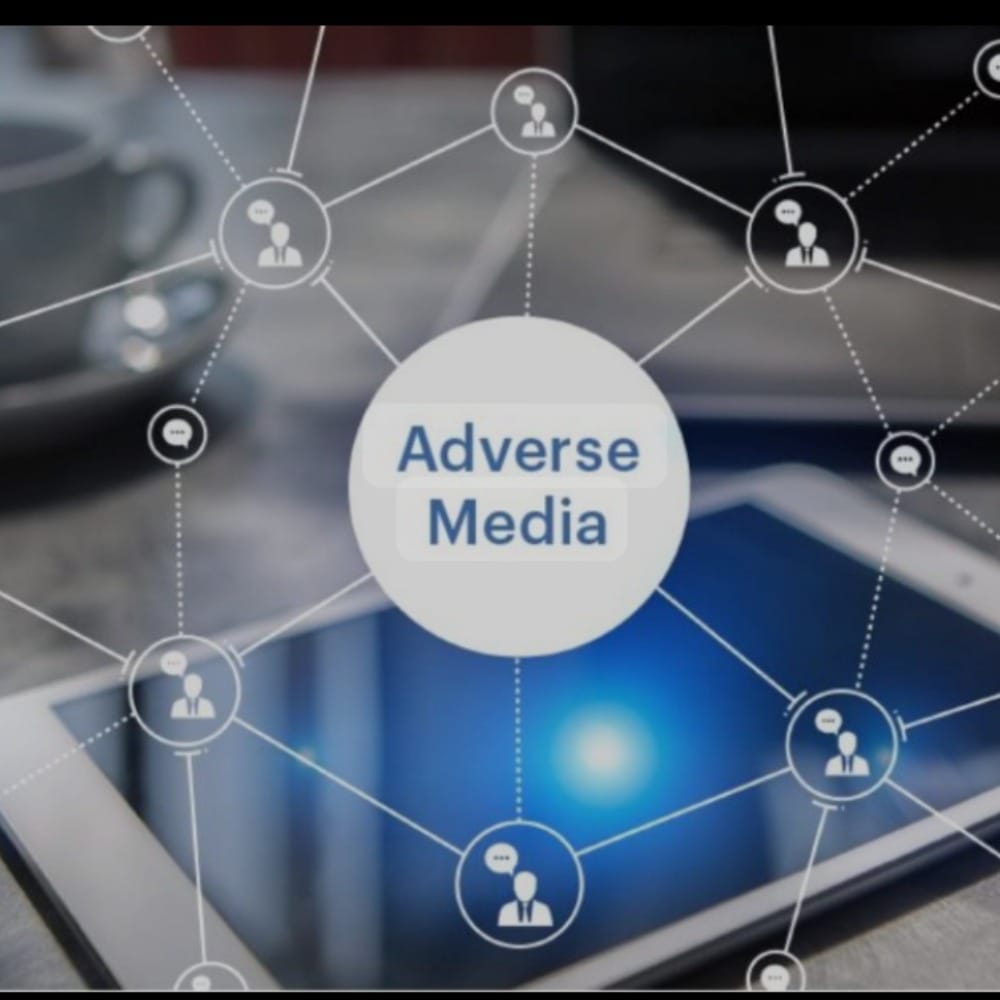
Adverse Media Checks (or negative news screening) help identify potential risks linked to individuals or businesses by monitoring public sources for mentions of crime, fraud, or reputational issues.
Why It’s Important:
Early Risk Detection: Spot warning signs before they appear on official watchlists.
Fraud Prevention: Uncover links to financial crimes or unethical activities.
Reputation Protection: Avoid associations that could harm your brand.
Informed Decisions: Gain deeper insights before partnerships or investments.
Dual Employment Checks verify if an employee is secretly working for another organization — a growing concern in the remote work era.
Why It’s Important:
Performance Risks: Dual jobs can reduce productivity, focus, and commitment.
Conflict of Interest: Working for competitors can expose confidential data and trade secrets.
Business Protection: Ensures employee loyalty and safeguards company integrity.

A credit score check is the process of reviewing an individual’s financial history to assess their creditworthiness. A credit score, such as a CIBIL Score in India, is a three-digit number between 300 and 900 that lenders use to evaluate how likely a person is to repay a loan on time.

A “drug check test” is a diagnostic procedure to detect the presence of drugs or their metabolites in biological samples like urine, blood, saliva, or hair. These tests are used for purposes like employment screening, legal monitoring, and healthcare, and can check for a variety of substances, including marijuana, cocaine, opioids, and amphetamines. Urine tests are the most common due to being non-invasive and able to detect a wide range of drugs.
Sample Collection

Resume or CV Analysis uses AI and NLP to automatically review and evaluate candidate profiles, helping recruiters identify top talent quickly and fairly.
Why It’s Important:
Saves Time & Cost: Automates manual screening tasks.
Boosts Efficiency: Processes hundreds of resumes in minutes.
Improves Hiring Quality: Objectively ranks candidates by key criteria.
Ensures Fairness: Applies consistent evaluation standards for all applicants.
A Police Clearance Certificate (PCC) is an official document verifying that an individual has no criminal record. In India, it is issued through the Passport Seva system under the Ministry of External Affairs.
Why It’s Required:
Immigration & Visas: Needed for long-term visas, permanent residency, or student applications abroad.
Employment: Essential for international or sensitive job roles requiring background verification.
Other Uses: Required for adoption, foster care, or tenant verification in certain regions.

Identity Checks verify that an individual is who they claim to be using document verification, biometrics, and database validation — ensuring compliance with KYC and fraud prevention standards.
Why It’s Important:
Prevents Identity Theft: Stops fraudsters from using fake or stolen credentials.
Protects Accounts: Prevents unauthorized access or account takeovers.
Detects Synthetic Fraud: Identifies identities built from mixed real and fake data.
A global database check is a comprehensive background screening process that searches international databases to verify an individual’s or organisation’s history, often used by companies for hiring and risk mitigation. These checks look for information like criminal records, financial history, sanctions, and watchlists to identify high-risk individuals and ensure compliance with international laws.

Infidelity Investigation
Discreetly uncover the truth about a suspected affair.
Pre-Matrimonial Check
Verify your partner’s background before marriage.
Post-Marriage / Divorce Cases
Collect evidence for infidelity, custody, or financial disputes.
Surveillance
Track movements and activities without alerting the target.
Counter-Surveillance
Detect if someone is secretly watching or following you.
Fact Verification
Confirm the authenticity of any information.
Other Cases
Custom investigations for unique situations across India.